GPT-Image-2 — Free 4K AI Image Generator with Perfect Text
OpenAI's brand-new image model, released April 21, 2026 — 4K resolution, multilingual text rendering, and photorealistic detail. Free daily credits, no waitlist, no OpenAI account.
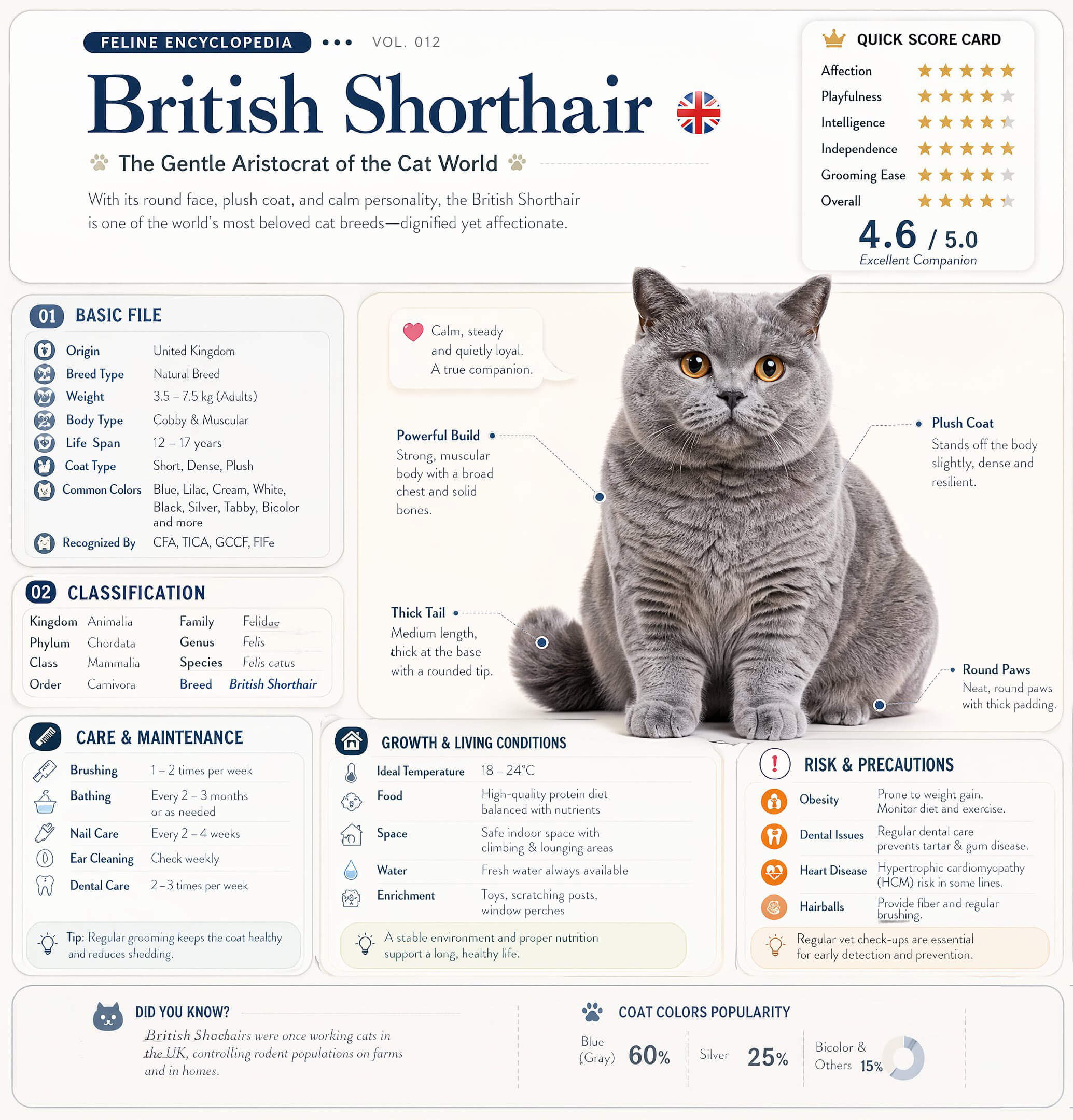
What is GPT-Image-2?
GPT-Image-2 is OpenAI's latest image-generation model, announced on April 21, 2026. It is the same model that powers ChatGPT Images 2.0 in the consumer ChatGPT product, exposed to developers as the gpt-image-2 API model. The model has a December 2025 knowledge cutoff and ships in a single snapshot, gpt-image-2-2026-04-21.
Unlike diffusion-based generators (Stable Diffusion, FLUX), GPT-Image-2 is built on a transformer architecture — the same family as the GPT language models. That changes how it composes images: it reasons about layout, text, and instruction-following before drawing, which is why it can render legible signage, accurate UI mockups, and dense compositions with details that diffusion models typically warp.
The model is positioned head-to-head with Google's Nano Banana 2, which AIPhotoGenie also offers — pick GPT-Image-2 when text fidelity or compositional control matters, and Nano Banana 2 when speed and cost on plain prompts matter more.
Key capabilities
4K resolution
Up to 3840×2160 photorealistic output. AIPhotoGenie exposes 1K, 2K, and 4K presets.
Multilingual text
Near-perfect text rendering for both Latin and CJK scripts. Signage, product labels, UI text — readable, correctly spelled.
Photorealism
Understands physics, lighting, and material properties at a depth that produces genuinely realistic outputs.
Layouts & mockups
Magazine spreads, app mockups, infographics, posters — formats that require placing text and graphics with intent.
Reasoning step
Thinks before drawing — analyzes the prompt's structural intent before committing pixels. Better long-prompt fidelity.
How to use GPT-Image-2 on AIPhotoGenie
- Write your prompt — describe the image you want, including any text you need rendered. GPT-Image-2 handles long, detailed prompts well.
- Choose a size — 1K (1024×1024) for thumbnails and social posts, 2K for print, 4K (3840×2160) for hero images and posters.
- Click Generate — your image renders in seconds and lands on your 3D gallery wall. Generate again for variations.
Sample prompts & use cases
GPT-Image-2 shines on tasks where text fidelity, layout intent, or compositional reasoning matter. A few examples:
- Posters and ads — "A vintage travel poster for Mars with bold typography 'Visit Olympus Mons'"
- App mockups — "An iPhone screen showing a banking app dashboard, dark mode"
- Infographics — "An infographic explaining the water cycle, clean modern style"
- Multilingual signage — "A neon sign saying 'Open' in English, Japanese, and Arabic"
- Magazine layouts — "A magazine cover for 'AI Quarterly' with headline 'The Image Revolution'"
- Photoreal still life — "A photorealistic ramen bowl on a wooden table, steam rising, top-down view"
Try any of these prompts in the main generator on the homepage — your results land on your 3D gallery for review.
Frequently asked questions
Is GPT-Image-2 free to use on AIPhotoGenie?
Yes. Every account gets free daily credits, which cover Square (80 credits) generations at no cost. Heavier 4K renders cost more credits and may need a paid plan or topped-up credits.
Do I need an OpenAI account?
No. AIPhotoGenie connects to GPT-Image-2 through Runware. You sign in with your AIPhotoGenie account — no OpenAI key, no waitlist.
Can I use generated images commercially?
Yes. You retain full rights to images you generate, for personal or commercial use, subject to OpenAI's usage policy on the underlying model.
What's the difference between GPT-Image-2 and GPT-Image-1?
GPT-Image-2 (released April 21, 2026) is a transformer-based image model with a December 2025 knowledge cutoff. It substantially improves text rendering accuracy, supports up to 4K resolution, and adds a reasoning step before generation. GPT-Image-1 (March 2025) was OpenAI's previous flagship and tops out at 1536×1536.
When should I use 4K vs 1K?
Use 1K (1024×1024) for ideation, social posts, and most web use — fastest and cheapest. Use 2K for printable thumbnails or display work. Pick 4K (3840×2160) for hero images, posters, and anything you'll see large. OpenAI flags resolutions above 2K as experimental, so do a test generation before committing to 4K for a key asset.
How is the text rendering quality compared to other models?
GPT-Image-2 reaches near-perfect spelling and legibility for embedded text including signs, product labels, UI mockups, and handwriting. It works across both Latin and CJK scripts, which is unusual for image models. Most diffusion-based generators (FLUX, Stable Diffusion) struggle here.
Does it support image editing or img2img?
Not yet. AIPhotoGenie currently offers text to image only. Image-to-image and editing with GPT-Image-2 are planned for the main generator panel but are not available yet.
What languages does the text rendering support?
OpenAI tests Latin scripts (English, Spanish, German, French, etc.) and CJK (Chinese, Japanese, Korean) heavily. Other scripts (Arabic, Devanagari, Cyrillic) work but with more variance. For mission-critical multilingual signage, run a test generation first.
How does GPT-Image-2 compare to Google's Nano Banana 2?
They target similar quality bands. GPT-Image-2 has a clear edge in text rendering and reasoning-based composition. Nano Banana 2 is faster and cheaper for clean photographic generation. AIPhotoGenie offers both — pick GPT-Image-2 when text fidelity or compositional control matters; pick Nano Banana 2 for speed and cost on plain prompts.
About OpenAI's release
OpenAI announced GPT-Image-2 on April 21, 2026 as ChatGPT Images 2.0. The model became available on the OpenAI API the same day, with rollout to ChatGPT users beginning the following Tuesday.
Read more from the source: OpenAI's official announcement, the model documentation, and Microsoft Foundry's integration post.